Analyzing Commission Models in Niche Gaming Peripheral Listings
Written by Greta Zimmermann · Jul 28, 2026
Analyzing Commission Models in Niche Gaming Peripheral Listings
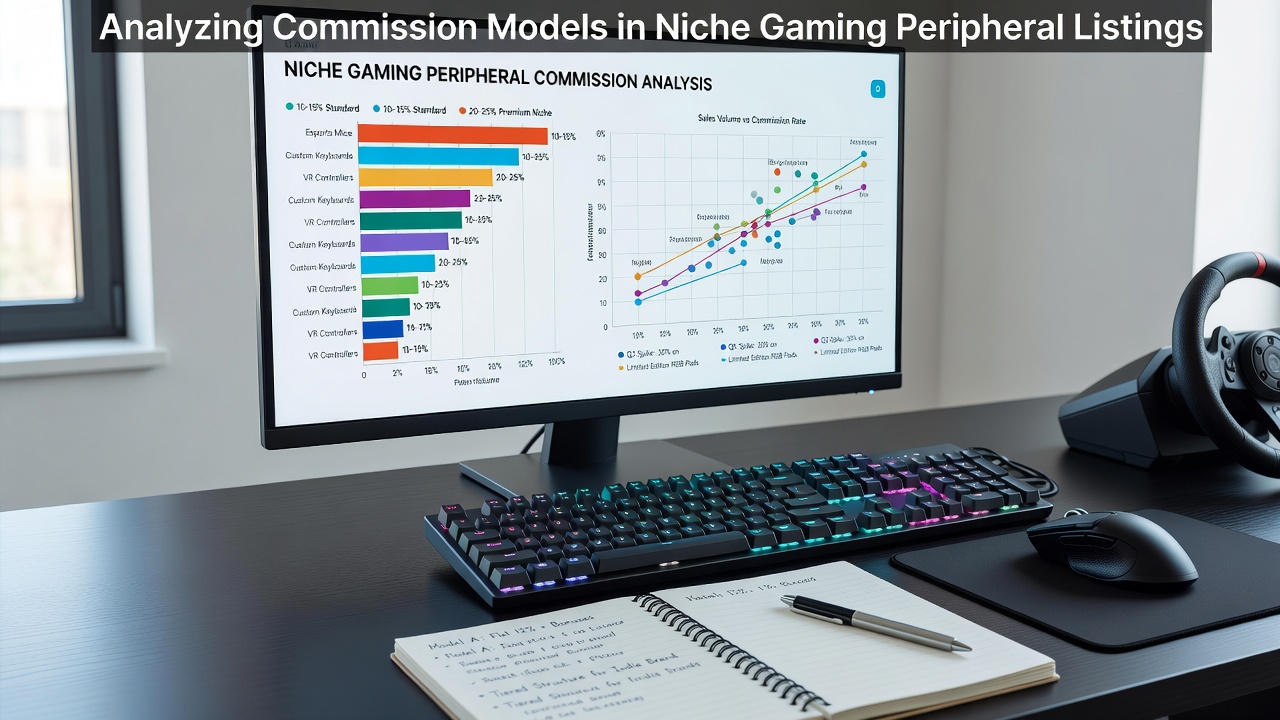
Commission models in niche gaming peripheral listings operate through structured revenue-sharing arrangements that connect product directories with manufacturers and retailers, and these frameworks determine how earnings flow from sales of items such as specialized mice, custom keyboards, and precision headsets. Researchers at industry organizations track these models because they influence how niche sites attract listings and maintain ongoing partnerships with hardware suppliers.
Performance-based structures remain common where payouts trigger only after a completed purchase occurs, and data from the Entertainment Software Association shows that such approaches accounted for significant portions of affiliate revenue in the gaming hardware sector during recent years. Tiered systems add layers where higher sales volumes unlock increased percentages, which allows established listing platforms to scale earnings while newer entrants build volume gradually.
Core Commission Types Observed in Practice
Cost-per-sale arrangements dominate many directories because they tie compensation directly to transaction value, yet cost-per-action variants reward actions like newsletter signups or demo downloads that occur before any purchase. Flat-fee models appear in limited cases for premium placement within listings, and these provide predictable income regardless of conversion rates while reducing risk for both parties involved.
Hybrid approaches combine elements from multiple models, and one study released in July 2026 highlighted how certain platforms blended percentage commissions with performance bonuses to stabilize revenue during seasonal fluctuations in peripheral demand. Observers note that these combinations often emerge when directories target narrow audiences such as competitive esports participants or content creators who require specific ergonomic or low-latency devices.
Market Context and Geographic Variations
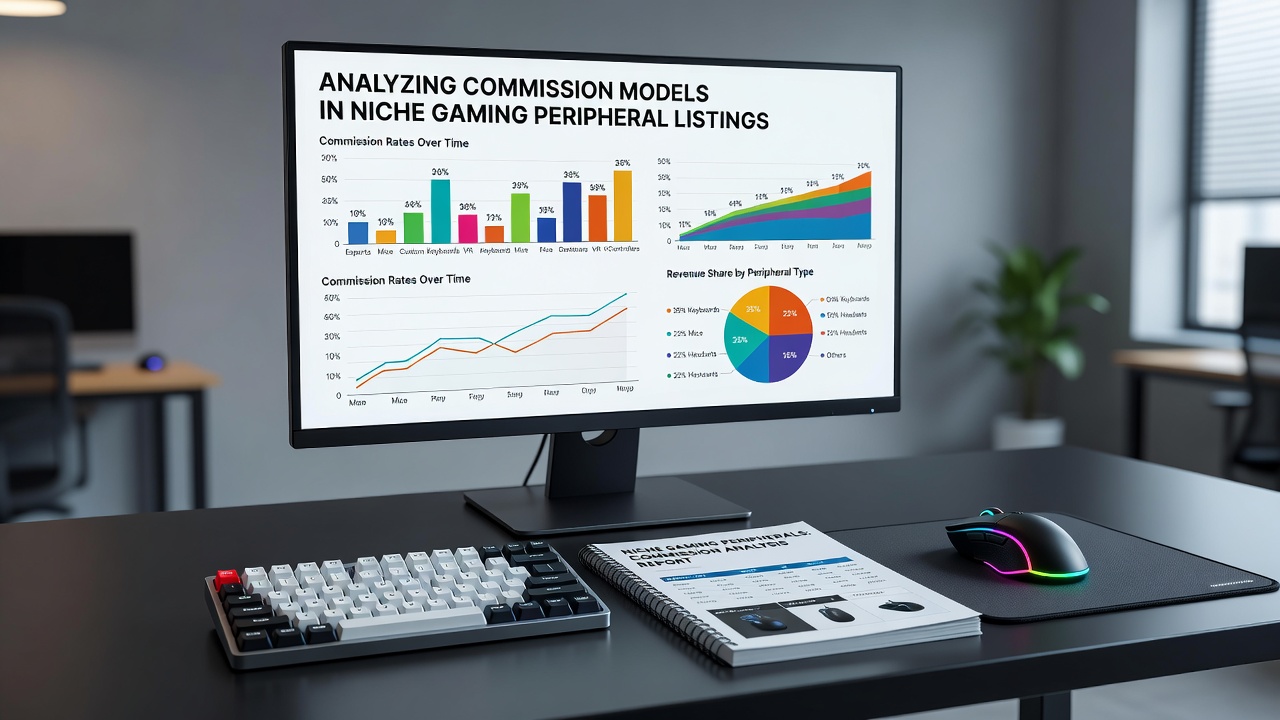
Regional differences shape which models gain traction, since regulatory environments in North America favor transparent disclosure rules while European platforms emphasize consumer protection standards that affect how commissions get advertised. Industry reports from the European Games Developer Federation indicate steady growth in hardware accessory listings across member states, with commission rates typically ranging between eight and fifteen percent depending on product category and exclusivity agreements.
Platforms operating in Asia-Pacific markets frequently adopt volume-driven tiers because high shipment numbers from regional manufacturers support aggressive scaling, and this pattern contrasts with smaller North American directories that rely more on niche exclusivity deals. Those who analyze transaction data across borders find that currency fluctuations and local tax requirements further complicate uniform application of any single commission framework.
Factors Influencing Model Selection
Product price points guide decisions because high-value items like custom mechanical keyboards generate larger absolute commissions even at lower percentages, whereas lower-cost accessories such as cable organizers benefit from higher percentage rates to maintain viability. Listing volume also matters since directories with extensive catalogs spread risk across many manufacturers and reduce dependence on any single commission stream.
Technological integration plays a role when automated tracking pixels and real-time dashboards enable precise attribution, and platforms equipped with advanced analytics tend to favor performance-heavy models that reward accurate measurement. Partnerships with established retailers add another dimension because those retailers often negotiate custom commission schedules that reflect their own margin structures and inventory turnover rates.
Tracking Challenges and Reporting Standards
Attribution accuracy remains central because multiple touchpoints from social media reviews to comparison tables can precede a final purchase, and discrepancies in cookie duration or cross-device tracking create disputes over which listing deserves credit. Organizations that publish standardized reporting guidelines help mitigate these issues, and adoption of such frameworks has increased as more directories seek long-term supplier relationships.
Seasonal campaigns around major gaming events introduce additional complexity since traffic spikes can distort baseline performance metrics used to calculate tier thresholds. Analysts therefore recommend rolling averages and segmented reporting to isolate campaign effects from underlying model performance.
Conclusion
Commission models in niche gaming peripheral listings continue to evolve alongside hardware innovation and shifting retail channels, and participants who monitor regional data alongside transaction patterns position themselves to adapt when new structures emerge. Continued observation of how these frameworks interact with broader e-commerce trends provides clarity for directories aiming to sustain revenue through targeted listings.