Coordinated Banner Strategies in Multi-Category Recommendation Ecosystems
Written by Olivia Powell · Jul 18, 2026
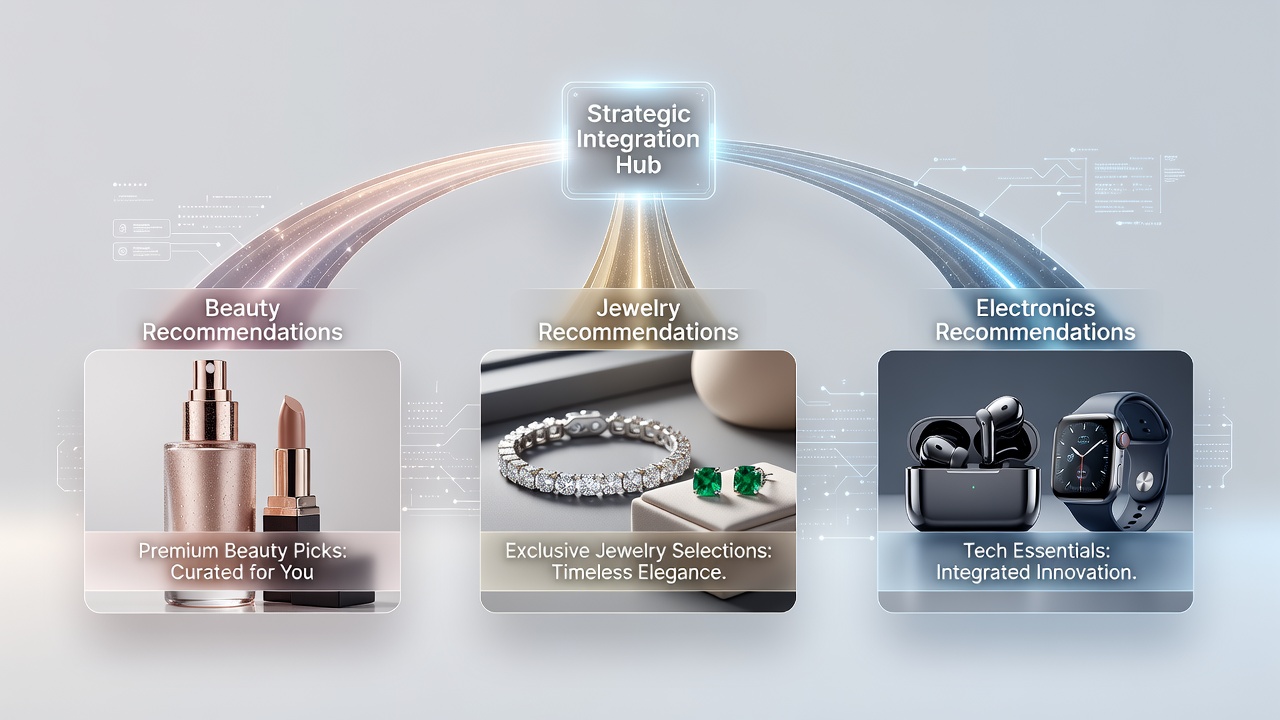
Coordinated Banner Strategies in Multi-Category Recommendation Ecosystems
Recommendation platforms that focus on beauty products, jewelry selections, and electronics reviews have developed methods for placing banner campaigns that span multiple categories while maintaining relevance for users who browse across these areas, and data from industry reports shows that such coordination can improve click-through rates when campaigns align with user behavior patterns observed in July 2026.
Platform Structures and Category Overlaps
Beauty recommendation sites often feature skincare routines alongside makeup tools, jewelry platforms highlight gemstone options with metal finishes, and electronics hubs cover device accessories that sometimes intersect with wearable tech resembling jewelry pieces, which creates natural bridges where banner campaigns can shift from one category to another without disrupting the browsing flow, and observers note that these overlaps allow advertisers to test sequential messaging that follows users as they move between product types.
Technical Approaches to Banner Coordination
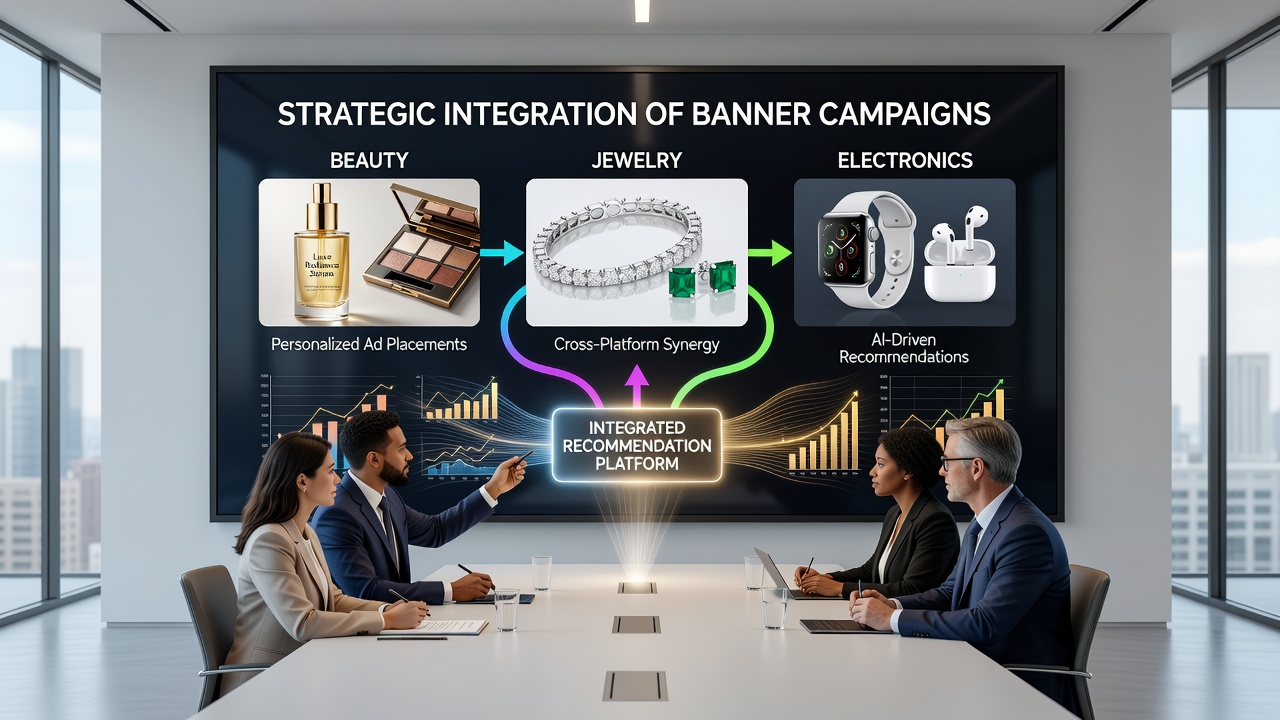
Developers implement shared ad servers that pull from a central database of creative assets tailored to each sector, so a banner promoting a facial serum on a beauty site can transition to a complementary necklace display on a jewelry recommendation page through dynamic resizing and content swapping based on session data, while electronics sections incorporate banners for smartwatches that echo the jewelry aesthetic in visual style.
Algorithms track cross-category sessions where users view beauty items then jewelry within the same visit, and this information feeds into banner rotation schedules that prioritize placements during peak hours such as evening browsing periods documented in recent analytics summaries.
Data Patterns in Cross-Category Performance
Studies compiled by the Interactive Advertising Bureau indicate that integrated banners achieve higher engagement when visual elements maintain consistent color palettes across beauty, jewelry, and electronics displays, and figures from the same organization reveal that conversion tracking improves by linking user identifiers across these platform types without requiring separate logins. IAB Europe research highlights how European platforms have adopted unified measurement tools that report aggregated results for multi-category campaigns as of mid-2026.
Regulatory Considerations Across Regions
Platforms operating in multiple jurisdictions must align banner content with local advertising standards, and the Australian Competition and Consumer Commission provides guidelines on truthful product claims that apply equally to beauty formulations, jewelry materials, and electronics specifications, which encourages consistent disclosure practices in coordinated campaigns. ACCC resources outline requirements for clear pricing and availability statements that recommendation sites incorporate into banner designs serving users across these categories.
Session data collected in July 2026 shows increased use of consent management platforms that handle preferences uniformly, allowing banners to appear only where users have opted in for cross-site advertising while still supporting the flow between beauty, jewelry, and electronics content areas.
Implementation Examples from Operating Platforms
One network that covers all three categories uses A/B testing to compare standalone banners against those that reference related items in other sections, and results demonstrate that users who see an electronics banner after viewing jewelry pieces exhibit longer dwell times on the destination pages. Another setup employs heat mapping to identify high-visibility zones on category landing pages, then places coordinated banners in those spots to maintain thematic continuity without repeating exact visuals.
Technical teams adjust frequency caps so that a single user encounters no more than a set number of banners from the integrated campaign during a 24-hour window, and this approach draws from performance metrics gathered across similar recommendation networks in North America and Asia.
Measurement and Adjustment Processes
Analytics dashboards combine metrics from beauty, jewelry, and electronics sections into unified reports that track banner attribution through last-click and view-through models, and these reports help teams refine creative elements such as call-to-action phrasing that performs consistently across the three domains. Adjustments occur weekly based on aggregated data rather than isolated category results, which supports sustained performance as user interests shift between product types.
Conclusion
Strategic banner integration across beauty, jewelry, and electronics recommendation platforms relies on shared technical infrastructure, consistent visual and messaging approaches, and adherence to regional advertising standards that together enable campaigns to reach users who navigate multiple categories in a single session, and ongoing data collection as of July 2026 continues to inform refinements in these coordinated systems.